Every espresso blend is an engineering brief disguised as a recipe: survive nine bars of pressure, express itself in 25 seconds, cut through 150 ml of steamed milk, and taste consistent every single day of the year. Single origins can make beautiful espresso; blends exist because those constraints are easier to satisfy with complementary components — and for a century, the most useful component has been quality Robusta.
What Robusta Contributes
Three things, all physical. Crema: Robusta carries roughly double Arabica's soluble solids and different lipid chemistry, producing the thick, persistent foam that Italian espresso culture treats as a quality seal. Body: its heavier extraction weight anchors a shot so it doesn't vanish in milk. Caffeine and bitterness: in controlled proportion, a structural backbone that gives the finish length.
The historic catch was flavor: commodity Robusta brought rubber, wood, and ash along with its body. That's a processing artifact, not a species destiny — which is precisely what the Fine Robusta category fixed. Washed, ripe-picked, high-grown Robusta contributes chocolate and malt instead of tire, and the blend math changes completely.
Classic Architectures
The Northern Italian template runs 80–90% Arabica (Brazilian base for sweetness and nuts, a washed Central or African for acidity and aromatics) with 10–20% fine Robusta for crema and spine. Southern Italian tradition pushes Robusta to 30–40% for the dense, bittersweet, hyper-cremoso style. Modern specialty blends often sit at 10–15% — enough for texture and milk-cutting power while the Arabica top notes stay in charge.
Roast the components separately when you can: Robusta's density profile develops differently, and co-roasting forces a compromise curve. Blend after roasting, rest espresso blends 7–10 days, and test in milk as well as straight — the drink your customers actually order is the drink the blend must win.
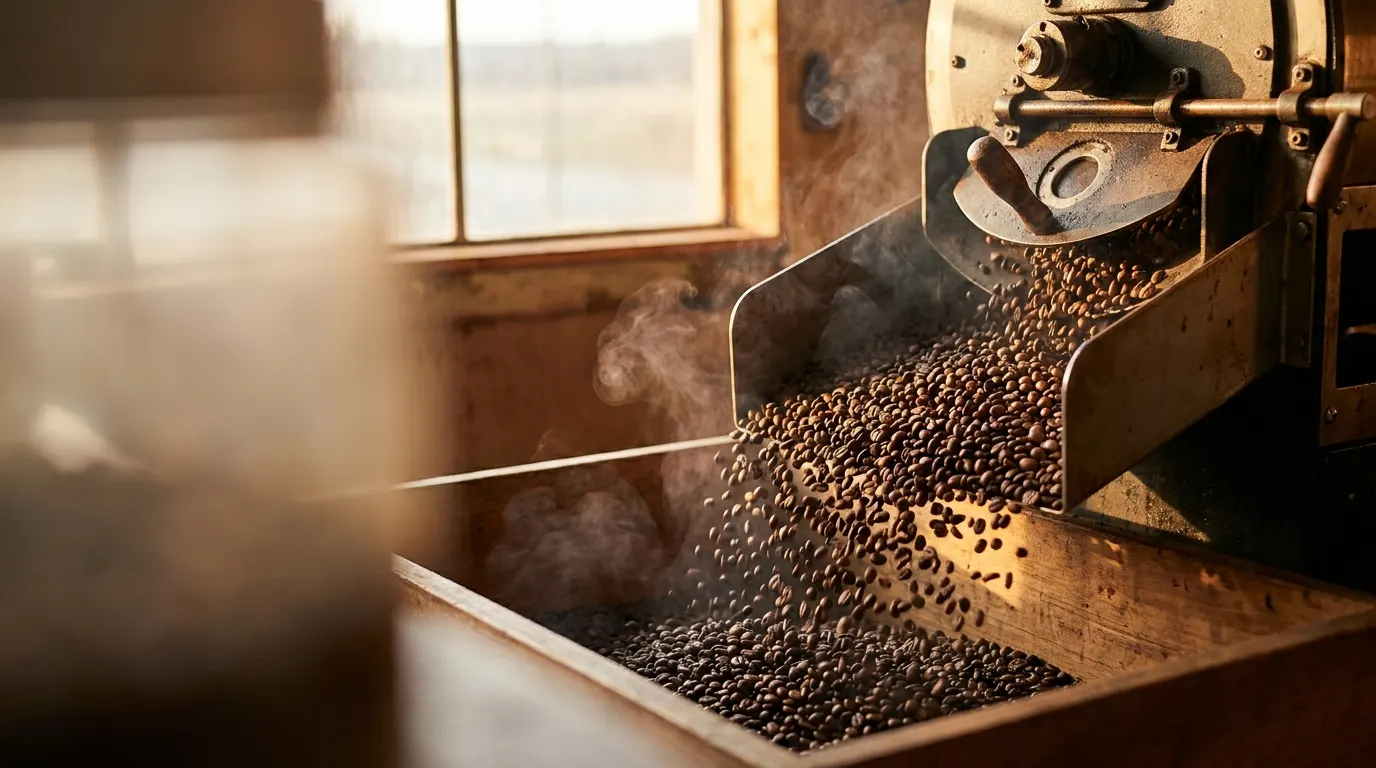
Sourcing the Robusta Component
The component's job description is exacting: clean cup above all (one rubbery Robusta ruins a blend faster than any Arabica flaw), consistent density for repeatable grinding, and stable year-round supply at a price that improves the blend's economics. This is exactly the brief Bolaven Plateau washed Fine Robusta was built for — 700–1,000 m altitude, ripe-picked, washed like specialty Arabica, and graded to Fine Robusta standards with SGS verification.
Our standing advice to roasters: run a 15% substitution trial against your current blend, blind, in cappuccino. If the Lao component doesn't measurably improve texture and finish, don't buy it. It's an easy offer for us to make.